
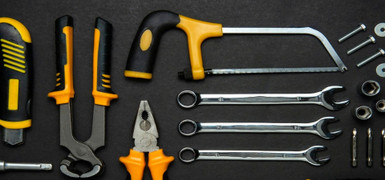
1. Hand Tools: The Foundation of Every Toolkit
No matter how many power tools you own, hand tools remain the most used items on any job site or in any home workshop. They require no electricity, offer precise tactile control, and when bought well, last for decades. In Guyana, where power outages can interrupt work and remote sites may lack reliable power, a strong hand tool kit is not optional. It is a lifeline.
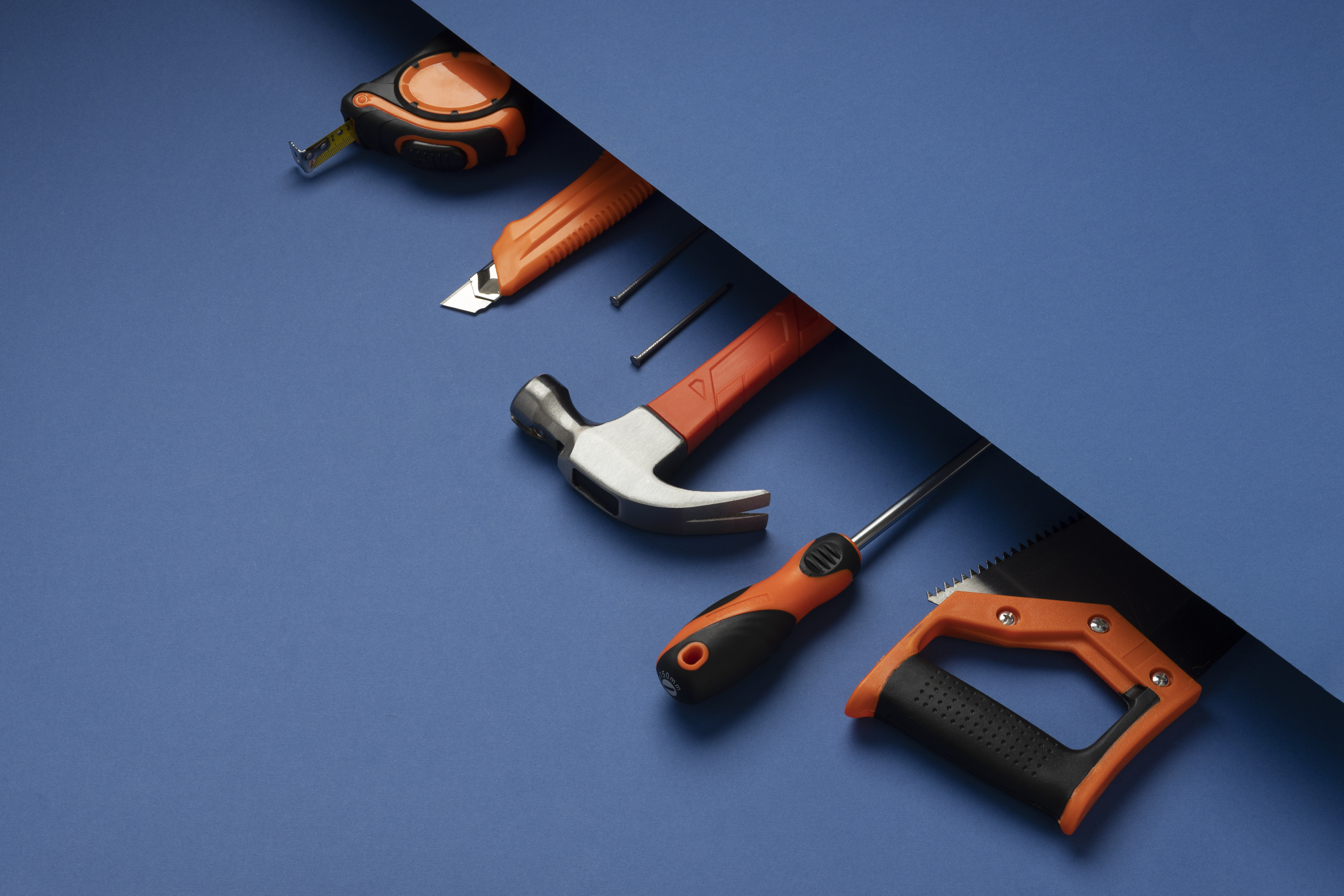
Essential hand tools every Guyanese tradesperson should own
There are five categories of hand tools every toolkit in Guyana should cover:
- Hammers: A 16 to 20-ounce claw hammer with a fibreglass or steel handle is ideal for general construction and framing. Avoid wooden handles in humid conditions, as moisture causes them to swell, loosen, and eventually crack. Add a club hammer for masonry work.
- Screwdrivers: Buy a proper set including Phillips head (PH1, PH2, PH3), flathead in multiple widths, and Torx (star-head) screwdrivers. Look for magnetic tips to avoid dropping fasteners in awkward spaces.
- Wrenches & Spanners: An adjustable wrench is a must-have. For plumbers and mechanics, invest in a combination spanner set in both metric and imperial sizes, since Guyana's construction sector uses both standards. Pipe wrenches (Stillsons) are staples for plumbing; buy at least a 14-inch and an 18-inch.
- Pliers: Your kit should include combination pliers, long-nose pliers, locking pliers (Mole grips), and water pump pliers. Invest in insulated-handle versions for any electrical work.
- Hacksaws & Hand Saws: A hacksaw with bi-metal blades cuts metal pipes, conduit, and threaded rods. Keep extra blades, as they wear quickly on hard steel. A quality hand saw with hardened teeth is still valuable when a circular saw is impractical on a confined site.
2. Power Tools: Speed, Power & Precision
Power tools dramatically cut labour time and make precision work accessible to more people. For Guyana's fast-growing construction sector, from residential builds in Providence, EBD to commercial projects in Georgetown, the right power tool kit is a business investment that pays for itself quickly.
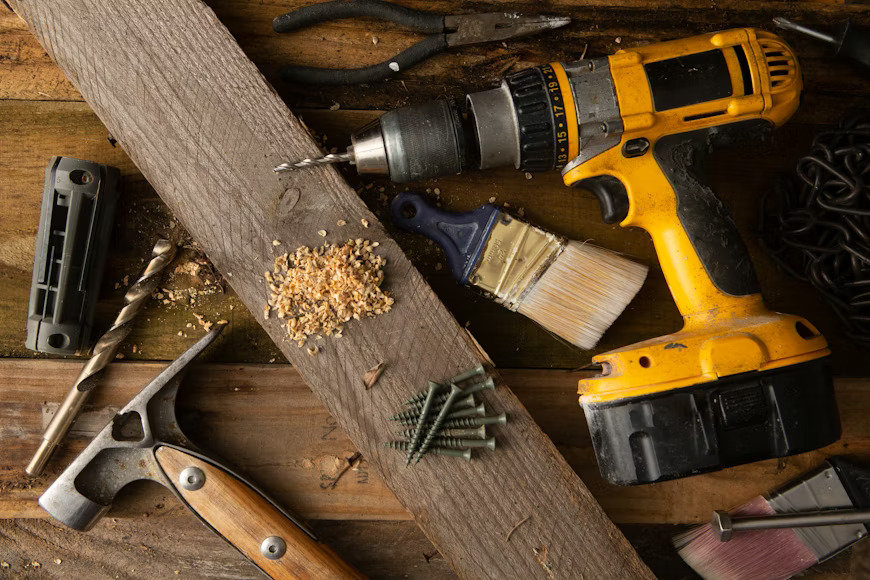
Power tools are the backbone of modern construction in Guyana
- Drills & Impact Drivers: A cordless combi drill (18V or 20V MAX, at least 2Ah batteries) is the single most versatile power tool you can buy for Guyana's mix of concrete block, timber framing, and steel. An impact driver drives screws and bolts with far more torque than a drill, and most professionals carry both.
- Angle Grinders: Arguably the most-used power tool on Guyanese job sites. Buy a 4.5-inch (115mm) or 5-inch (125mm) grinder for general use. Always use the correct disc for the material and never remove the guard.
- Circular Saws: For timber framing, ply cutting, and decking, a circular saw with a 7¼-inch (185mm) blade handles the vast majority of lumber thicknesses used in Guyana. Pair with a carbide-tipped blade for cleaner cuts that last longer.
- Jigsaws: While a circular saw cuts straight lines, a jigsaw cuts curves and intricate shapes in wood, metal, and plastic. Invaluable for kitchen fit-outs, cabinetry, and decorative work.
- Pneumatic Tools Air-powered tools deliver higher torque and sustained power for auto workshops, metal fabrication shops, and large construction sites. Key options include air impact wrenches, air ratchets, pneumatic nail guns, and air spray guns. A quality air compressor is required to power them.
3. Measuring & Layout Tools: Get It Right the First Time
"Measure twice, cut once" is not just a saying. It is the difference between a profitable job and a costly rework. Measuring and layout tools are the most under-rated category in any toolkit, yet they directly determine the quality of every finished product.
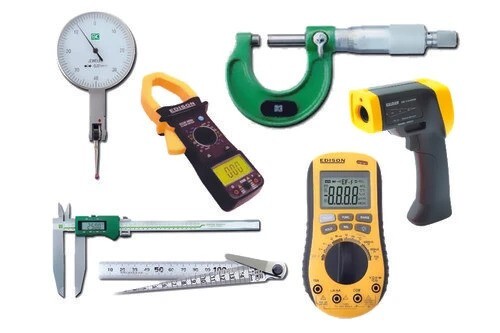
Accurate measuring tools prevent costly mistakes on every project
- Tape Measures: Buy a 25-foot (7.5m) tape minimum. Look for wide-blade models (1 inch or wider) that stand out further without buckling. For structural work, a 50-foot (15m) tape or longer is standard.
- Spirit Levels: A 48-inch (1.2m) spirit level is the workhorse of any builder. A torpedo level (9-inch) is equally important for tight spaces such as inside cabinets, under sinks, and in plumbing runs.
- Laser Levels: A self-levelling cross-line laser projects both horizontal and vertical reference lines simultaneously, making it dramatically faster than string lines for tiling, renovations, and suspended ceiling work.
- Squares: A combination square checks 90° and 45° angles simultaneously. A speed square (rafter square) is invaluable for marking cut lines on timber and checking stud angles during framing.
- Chalk Lines & Marking Tools: A chalk line snaps straight reference lines across floors, walls, and roofing sheets, making it essential for tile work, roofing, and flooring set-out.
4. Sockets & Bits: Small Tools, Big Impact
Sockets and bits are the consumable workhorses of any toolkit. They wear, strip, and break, so quality matters more than you think. A stripped bolt caused by a poor-quality socket can add hours to any job.
The three socket and bit categories every toolkit needs:
- Socket Sets: A comprehensive metric and imperial socket set with both ¼-inch and ½-inch drive ratchets covers almost everything you'll encounter. Look for 6-point sockets rather than 12-point, as they grip fasteners more firmly and are less likely to round them off on corroded bolts. The Husky BITE Metric 72-Tooth Ratcheting Wrench Set available at The Hardware Depot is an excellent choice, offering 72-tooth ratcheting for more movement in tight spaces.
- Driver Bits: Phillips, slotted, Torx, hex (Allen), and square Robertson bits cover the full range of fasteners used in Guyana's construction, automotive, and electrical sectors. Buy bits made from S2 steel or chrome-vanadium steel, as they resist breaking and stripping far better than cheap alternatives. The Carbyne 26-Piece S2 Steel Hex Key Set is a standout value option.
- Hex Keys (Allen Keys): Essential for furniture assembly, machinery adjustment, and bicycle/motorcycle work. Keep both metric and imperial sets, and prefer long-arm ball-end hex keys that let you drive at an angle, saving time in cramped spaces.
5. Tool Storage: Protect Your Investment
This is the category most Guyanese tradespeople underinvest in, and one of the most important. Proper tool storage protects expensive tools from Guyana's high humidity, tropical downpours, and the corrosive salt air of coastal areas. It also dramatically reduces time wasted searching for tools on site.
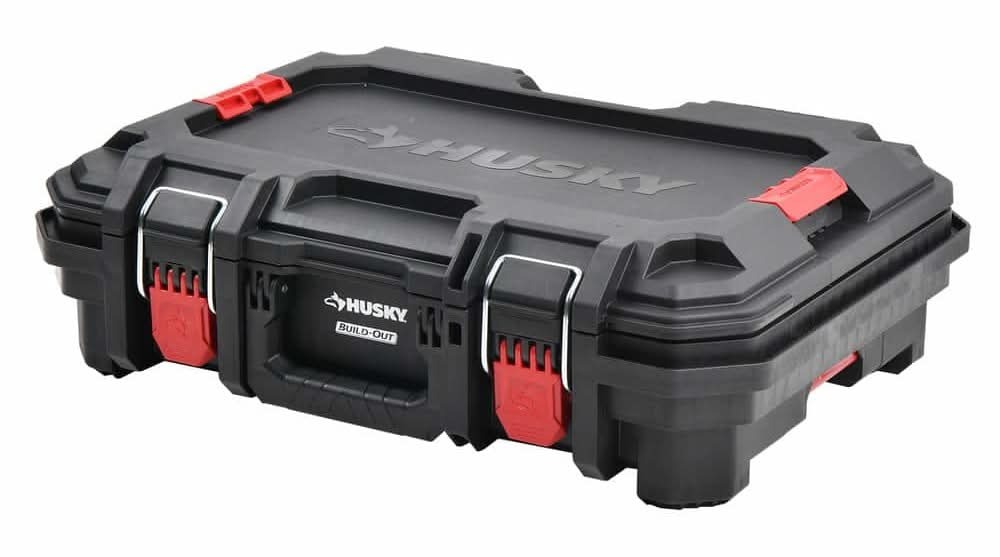
Good tool storage extends tool life significantly in Guyana's tropical climate
- Portable Toolboxes & Tool Bags: For tradespeople who move between sites, a portable toolbox or heavy-duty tool bag is essential. Look for waterproof or water-resistant material. Canvas bags with rubberized bases are excellent in wet conditions. The Husky Build-Out 14 in. Tool Tote and the Husky Modular Tool Case system offer excellent modular expandability.
- Mobile Workbench Cabinets: For workshops, a mobile workbench cabinet with drawers keeps tools organised by trade, prevents loss, and the locking mechanism protects tools from theft. The 46-inch 9-Drawer Husky Mobile Workbench is a professional-grade option used in workshops across the region.
- Truck & Vehicle Tool Boxes: Contractors who work across sites need a truck-mounted toolbox. Aluminium toolboxes offer security, weatherproofing, and corrosion resistance, making them far better than plastic alternatives in humid, coastal Guyana.
- Small Parts Organisers: Screws, nuts, bolts, drill bits, and socket accessories disappear without a home. A multi-compartment adjustable organiser is an inexpensive solution that saves disproportionate amounts of time.
6. Test Instruments: Safety & Accuracy for Professionals
Test instruments are the least glamorous but most important category for electrical workers, HVAC technicians, and industrial professionals. With Guyana's expanding oil and gas sector and rapid growth in commercial electrical installations, proper test equipment is both a safety requirement and a legal one.
The four test instruments every electrical professional in Guyana needs:
- Digital Multimeters (DMM): Measures voltage, current, and resistance, making it the most fundamental electrical test tool. For electrical contractors, invest in a CAT III or CAT IV rated multimeter. The safety category rating matters for the environments you work in, with CAT IV covering outdoor supply-level and meter-board work.
- Clamp Meters: Measures current by clamping around a conductor without cutting into the circuit, making it essential for diagnosing faults in live panels and industrial equipment. Safer and faster than a multimeter for current measurement in live systems.
- Non-Contact Voltage Testers: Lets you check whether wires are live without touching them. A critical first safety step before touching any circuit. Every electrician and handyperson in Guyana should own one.
- Insulation Resistance Testers (Megers): Checks the integrity of insulation in cables and windings for industrial, offshore, and commercial electrical work. Required for commissioning electrical installations in Guyana's growing energy sector.
Maintaining Your Tools in Guyana's Tropical Climate
Most international tool guides overlook climate-specific maintenance. In Guyana, with high humidity, intense tropical heat, heavy rain, and coastal salt air, tool maintenance is not optional. Here's what you need to do:
- Clean tools after every use. Remove concrete, adhesive, and sawdust before storing. Hardened material damages tool surfaces and attracts moisture.
- Oil metal surfaces regularly. A light coat of machine oil or WD-40 on metal tools, especially hand tools and saw blades, prevents surface rust. Do this monthly at minimum, and after any exposure to rain.
- Inspect power tool cords. UV radiation in Guyana degrades rubber cord insulation faster than in temperate climates. Check for cracking and replace worn cords before they become hazardous.
- Store batteries properly. Lithium-ion batteries degrade faster in heat. Never leave them in a hot vehicle. Store at room temperature, ideally at 40 to 60% charge if not in use for extended periods.
- Keep cutting tools sharp. Dull blades and drill bits require more force, generate more heat, and damage the workpiece. Sharpen or replace regularly, as this is cheaper than ruining a job.
- Dry tools before storing. If tools get wet on site, dry them thoroughly before placing in enclosed toolboxes or drawers. Consider silica gel sachets in storage to absorb ambient moisture.
Frequently Asked Questions
What are the must-have tools for a Guyanese homeowner?
Start with: a claw hammer, a set of screwdrivers (Phillips and flat), adjustable wrench, long-nose pliers, a 25-foot tape measure, a 24-inch spirit level, a utility knife, and a cordless drill. These seven items handle 80% of common home repair and DIY jobs in Guyana. Add a hacksaw and a set of combination spanners if you do any plumbing.
Which power tools are most important for a Guyanese contractor starting out?
Prioritise: a cordless combi drill (18V+), an angle grinder (4.5-inch), and a circular saw. These three tools handle the vast majority of construction tasks in Guyana, including drilling into concrete block, cutting rebar, and cutting timber. Add an impact driver and jigsaw as your second tier.
How do I prevent tools from rusting in Guyana's humidity?
Wipe tools dry after use, apply a light coat of machine oil or WD-40 monthly, store in closed toolboxes with silica gel sachets, and keep storage off concrete floors (moisture wicks up). Invest in quality tool storage with rubber-sealed drawers for the best protection.
Do I need metric or imperial tools in Guyana?
Both. Guyana's construction sector uses a mix of standards. Older installations and US-sourced materials tend to be imperial, while newer European and Asian-sourced fittings are metric. Buy socket and spanner sets that include both, and the same for hex key sets.
Can I shop for tools online in Guyana?
Yes. The Hardware Depot offers online shopping with local delivery across Guyana. Browse the full range of hand tools, power tools, measuring tools, and more. For bulk or B2B orders, visit hardwaredepotgyb2b.com.
What safety equipment should I pair with my tools?
Always match PPE to the tool: safety glasses for any cutting or grinding, ear protection for loud power tools, gloves for hand tools and grinders, and a dust mask or respirator for sanding and cutting operations. The Hardware Depot stocks a full range of safety equipment including eye protection, hearing protection, and hand protection.
Tools & Equipment in Guyana: Full Range at The Hardware Depot
At The Hardware Depot in Georgetown, all of the above are in stock, alongside the full range of tools and hardware every tradesperson and contractor needs:
- Hand Tools: Hammers, screwdrivers, wrenches, pliers, hacksaws, and general-purpose hand tools
- Power Tools: Cordless drills, angle grinders, circular saws, jigsaws, and pneumatic tools
- Measuring & Layout Tools: Tape measures, spirit levels, laser levels, squares, and chalk lines
- Sockets & Bits: Metric and imperial socket sets, driver bits, Husky and Carbyne hex key sets
- Tool Storage: Husky portable toolboxes, mobile workbenches, truck tool boxes, and organisers
- Test Instruments: Multimeters, clamp meters, non-contact voltage testers, and insulation testers
- Safety & PPE: Eye protection, gloves, hard hats, respiratory protection, and hi-vis vests
- Hardware Supplies: Bolts, screws, welding equipment, adhesives, and abrasives
Shop Tools & Equipment in Georgetown, Guyana
The right tool does the job safely, accurately, and quickly. From hand tools and power tools to precision measuring equipment, sockets, test instruments, and tool storage. These are the products every Guyanese tradesperson and contractor needs, all available in stock at The Hardware Depot.