
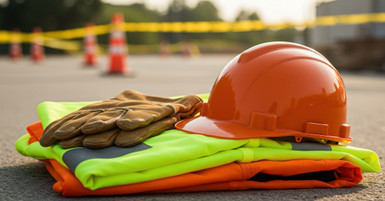
Guyana is growing fast, mainly because of oil & gas, construction, logistics, and related industries. Worksites are getting bigger, jobs are more demanding, and safety expectations are much higher than they were a few years ago.
Today, safety equipment is not just about following basic rules. It is about keeping skilled workers safe, preventing expensive work stoppages, and earning the trust of operators, contractors, and international partners who expect global safety standards.
This guide explains the basic safety equipment that every serious operation in Guyana should have, with a strong focus on oil & gas and heavy industrial work.
Why Are Safety Helmets Non-Negotiable on Industrial Sites?
Head protection is the first requirement on any oil & gas or construction site and for good reason.
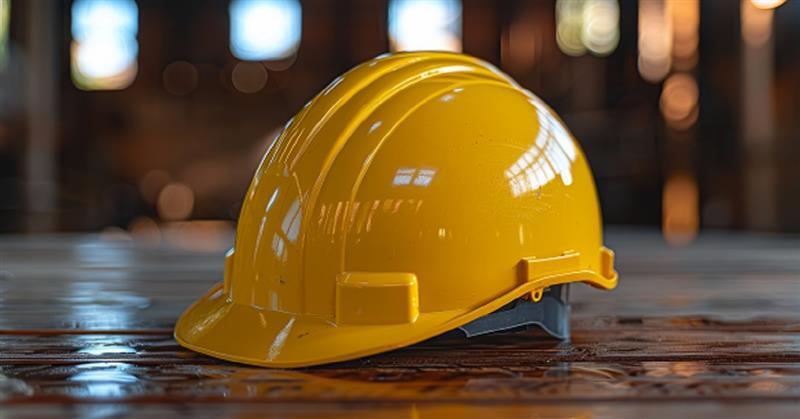
Modern industrial helmets must:
- Withstand high-impact hazards
- Remain comfortable during long shifts in heat and humidity
- Integrate easily with face shields, hearing protection, and headlamps
In Guyana’s climate, poorly ventilated helmets are often removed by workers — creating unnecessary risk. The right safety helmet encourages compliance, which ultimately saves lives.
Why Is High-Visibility Apparel Essential for Oil & Gas Operations?
Large sites, moving machinery, night shifts, and vehicle traffic make visibility critical.
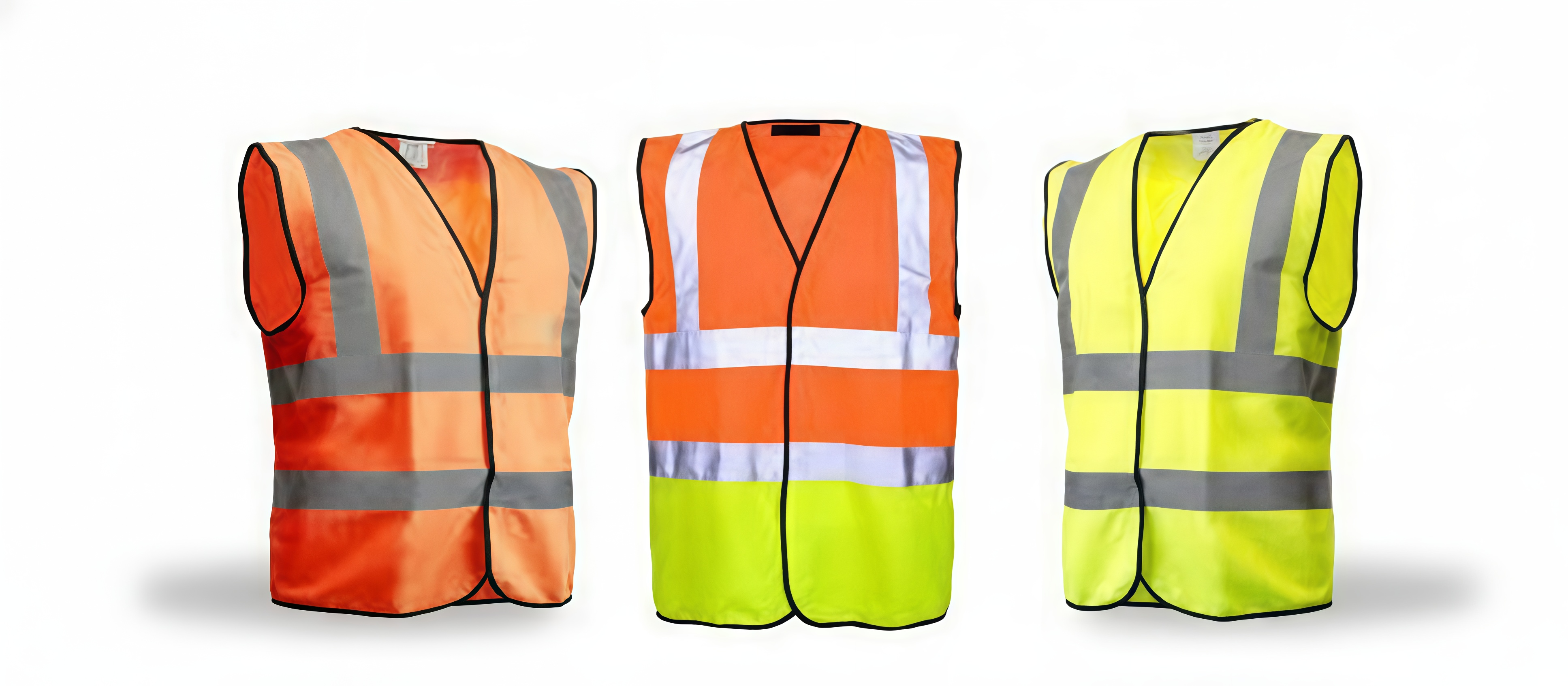
For oil & gas, port operations, and logistics yards, high-visibility clothing is essential for:
- Equipment operators
- Ground crews
- Maintenance teams
- Traffic control staff
Quality hi-vis apparel improves not just safety, but also site discipline and professionalism.
Task-Specific Safety Gloves
One of the most common mistakes on industrial sites is using the wrong type of glove.
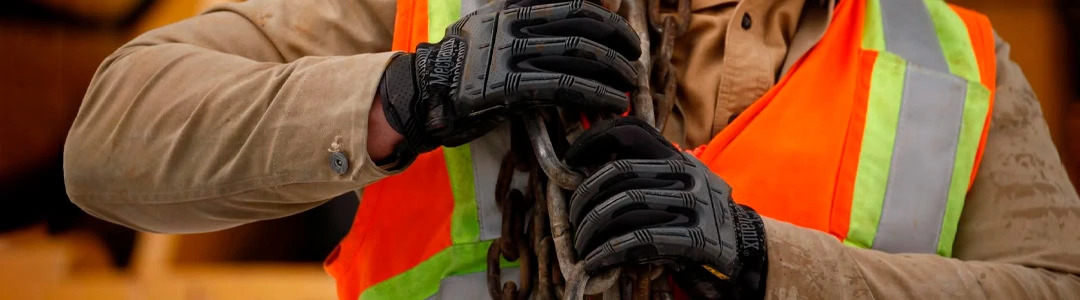
Different tasks require different protection:
- Cut-resistant gloves for fabrication and mechanical work
- Chemical-resistant gloves for fluid handling and cleaning operations
- Heat-resistant gloves for welding and hot works
Safety Gloves should protect without reducing dexterity - especially in oil & gas operations where precision matters.
Industrial Safety Footwear Built for Local Conditions
Foot injuries are common in heavy industry, particularly on uneven or wet surfaces.
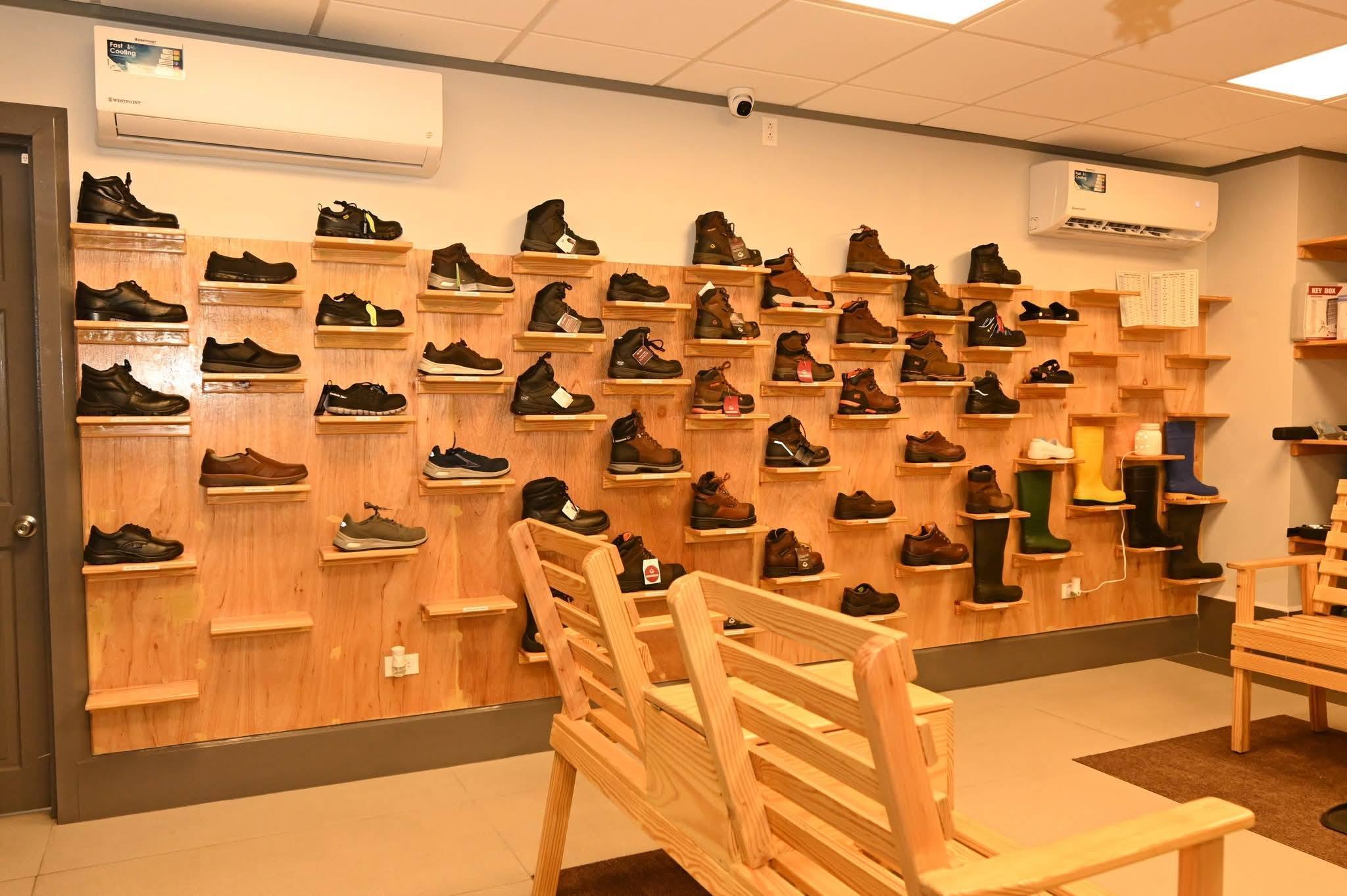
Safety boots used in Guyana should account for:
- Steel or composite toe protection
- Slip resistance in muddy or oily conditions
- Long-hour comfort
- Durability in high-wear environments
Cheap footwear fails quickly and exposes workers to unnecessary injury. At the Hardware depot we have all safety shoes for every industry.
Why Is Eye & Face Protection Critical for High-Risk Industrial Tasks?
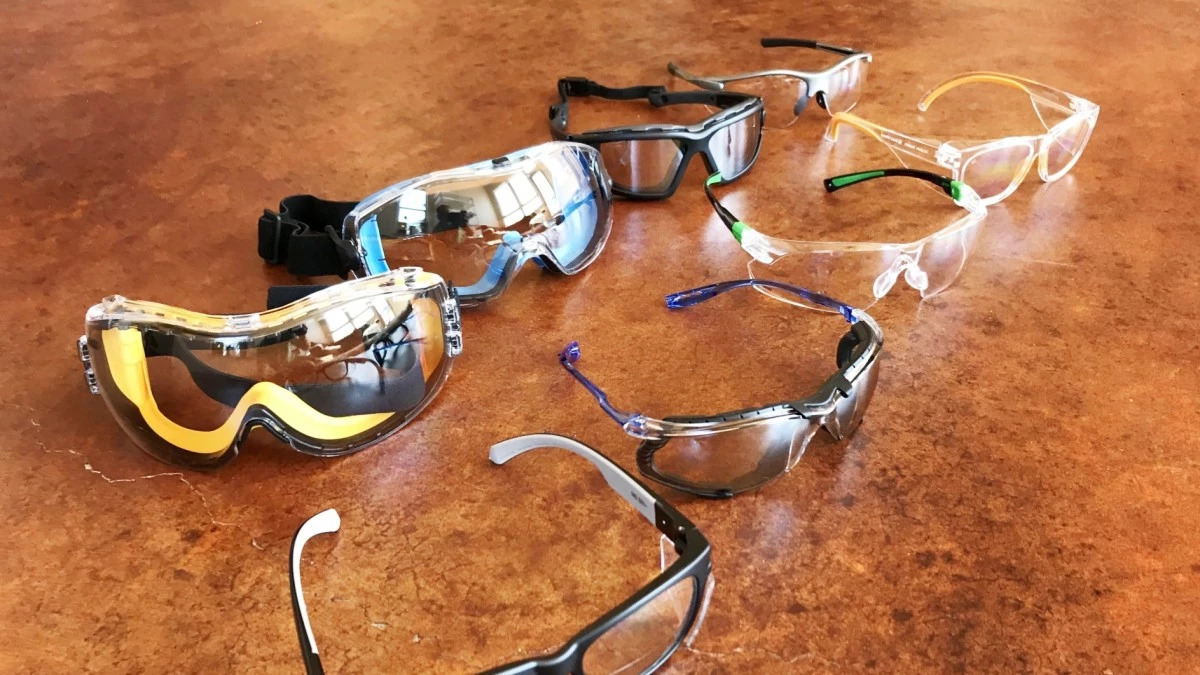
Grinding, cutting, welding, chemical handling, and pressure systems all pose serious eye hazards.
Essential protection includes:
- Impact-rated safety glasses
- Sealed goggles where dust or chemicals are present
- Face shields for hot works and cutting operations
Eye injuries are often permanent — and entirely preventable. Explore all eye protection equipment available at the store of The Hardware Depot.
Why Should Hearing Protection Not Be Overlooked in Oil & Gas Environments?
Noise exposure is one of the most underestimated risks on industrial sites.
Oil & gas facilities, generators, compressors, and heavy equipment produce sustained noise levels that cause long-term damage if ignored.
Effective protection options include:
- Earplugs for short-duration tasks
- Earmuffs for prolonged exposure
- Helmet-mounted systems for integrated protection
Comfort plays a critical role in ensuring hearing protection is used correctly throughout long work shifts.
When Is Respiratory Protection Required in Oil & Gas Operations?
Air quality risks are common across drilling support, fabrication, painting, and maintenance operations.
Depending on the task, protection may include:
- Disposable dust masks
- Half-face respirators
- Full-face respirators with appropriate filters
Correct fit and proper filter selection are essential — respiratory protection is not one-size-fits-all.
Why Is Fall Protection Mandatory for Working at Height?
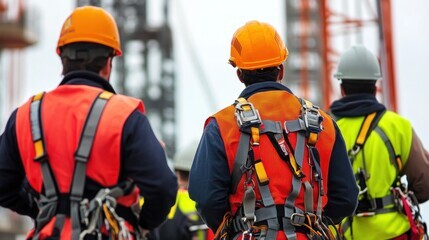
Falls remain one of the leading causes of serious injuries in industrial environments.
Any work at height should involve:
- Certified safety harnesses
- Shock-absorbing lanyards
- Proper anchor points
Fall protection is not optional — it is a fundamental safety responsibility.
Why Must Industrial Sites Be Prepared for Fire Emergencies?
Oil, gas, and industrial facilities must always be prepared for fire risk.
At a minimum, sites should have:
- Correctly rated fire extinguishers
- Clear fire safety signage
- Easily accessible emergency equipment
Fire preparedness is about response time - seconds matter. Explore reliable fire-fighting equipment at Hardware Depot to ensure immediate action in critical moments.
Why Is First Aid & Emergency Response Readiness Essential?
Even with the best precautions, incidents can occur.
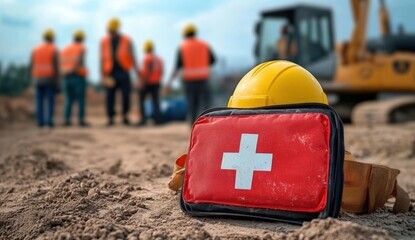
Every site should have:
- Fully stocked first aid kits
- Clearly identified locations
- Trained personnel
Effective first aid and wound care play a critical role in limiting injury impact and maintaining workplace safety standards.
Guyana’s growth brings opportunity - but also responsibility. Businesses that take safety seriously will be the ones that thrive, scale, and earn long-term trust in the oil & gas sector.If safety matters to your operation, your equipment choices should reflect that.
At Hardware Depot Guyana, we work closely with contractors, industrial operators, and support companies to supply reliable safety equipment suited to real working conditions in Guyana.
Our focus is practical: equipment that performs, lasts, and meets the expectations of today’s high-standard industrial environment.